
Project Overview
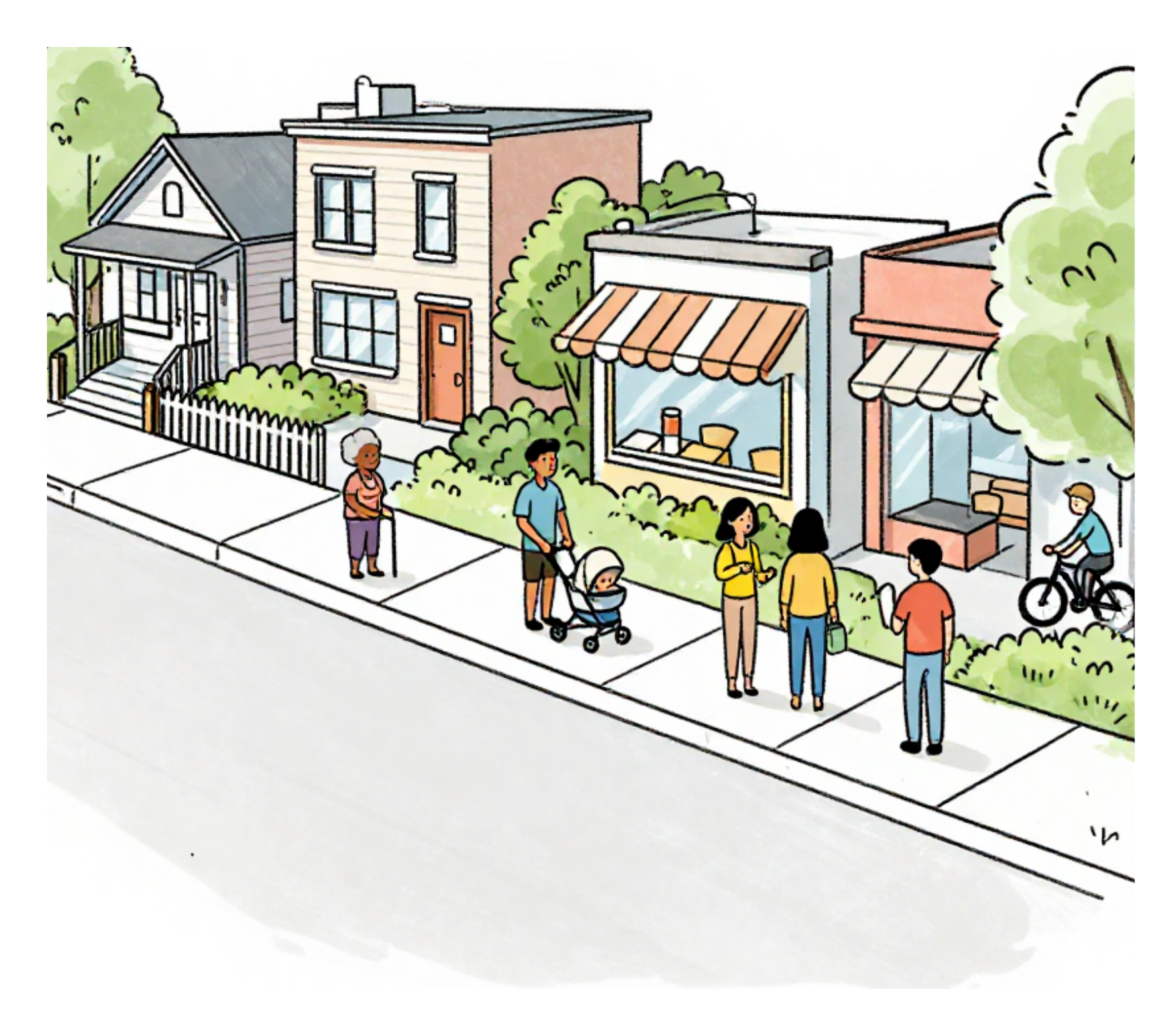
The Kirkland 2044 Comprehensive Plan envisions a community that is sustainable, connected, and accessible. To move us towards this vision, the City of Kirkland is studying the expansion of allowances for home-based businesses and small-scale, neighborhood-serving commercial uses in primarily residential neighborhoods. This could include businesses such as convenience stores, groceries and markets, salons, repair shops, dentist offices, cafés and more.
Why This Matters
Changes in how people work, shop, and start businesses have created new opportunities to rethink where businesses can operate. As Kirkland grows, neighborhoods should adapt to meet the needs of residents. Allowing more neighborhood businesses and home-based businesses can help achieve several community benefits that strengthen neighborhoods and improve quality of life.
Community Benefits
- Convenient Destinations – Neighborhood-serving destinations mean people can walk and roll to complete everyday tasks and errands, such as meeting a friend for coffee, grabbing a last-minute grocery item to complete a recipe, and fixing something without having to drive it across town or ship it somewhere for service. The hyperlocal convenience is what makes these destinations thrive.
- Vibrant Neighborhoods – Pedestrian activity and local gathering places help creating consistent opportunities for connection, mutual support, and shared ownership among neighbors.
- Healthier People and Places – Walkable communities with convenient destinations make it easier to live healthy lifestyles, reduce greenhouse gas emissions, and improve stormwater quality. The health benefits compound if the location offers produce and fresh foods.
- Local Economy Boost – Shopping local encourages a resilient economic landscape and reduces barriers to entrepreneurship.
Comprehensive Plan Support
Several policies within the Kirkland 2044 Comprehensive Plan (K2044) guide this project and support neighborhood stores and services. Some are listed below, but additional aspects of the K2044 vision and objectives related to sustainability, climate, and transportation may also apply.
Land Use Element Policies
- LU-4.6 – Develop standards that allow small scale neighborhood-oriented commercial uses within residential areas, including corner stores and commercial uses operated within homes, to meet local needs and reduce reliance on vehicle trips to meet daily needs.
- LU-3.1 – Create and maintain neighborhoods that allow residents and employees of all abilities to use active transportation to travel to places that meet their daily needs.
- LU-2.4 – Support development patterns that promote public health and address racially and environmentally disparate health outcomes and provide access to opportunities. Focus on residents with the highest needs in providing and enhancing opportunities for employment, safe and convenient daily physical activity, social connectivity, protection from exposure to harmful substances and environments, and housing in high opportunity areas.
Economic Development Element Policies
- ED-1.9 – Support the growth and needs of home-based businesses and small-scale commercial uses in primarily residential areas that are compatible with their surroundings and minimize adverse impacts related to safety, noise, parking, traffic, light, and odor.
- ED-3.3 – Support policies and initiatives that enable residents to live near their workplace.
- ED-1.7 – Foster and support small and emerging businesses, industries, and entrepreneurship.
- ED-3.2 – Support businesses that encourage the health and well-being of all people by providing convenient access to healthy and locally grown food.
State Legislature Activity
The Washington State Legislature has actively explored legislation to reduce barriers to neighborhood-scale commercial uses. Introduced during the 2025-2026 legislative session, House Bill 1175 would have required cities to allow neighborhood stores and neighborhood cafés to be permitted in any zone allowing residential uses. Despite HB 1175’s failure to advance into law, several cities across the region have begun to allow neighborhood-scale commercial uses in primarily residential zones.
History
Many American neighborhoods typically included businesses in the past. Small groceries, barbers, restaurants, cafes, and other storefront businesses could be found on the same streets and blocks as homes. In Kirkland, buildings such as The Peter Kirk and Masonic Lodge buildings (in today’s Market Neighborhood) offered a grocery store, butcher shop, and furniture store.
Peter Kirk Building (left) and Masonic Lodge Building (right)
In the early 1900s, the Rose Hill Grocery served grocery items and provided the area’s only telephone and gas pump at the time. Acker’s Store opened across the street which served as a grocery store and community gathering space before later becoming a community center.
Rose Hill Grocery (left) and Acker’s Store (right)
Meeting Information
View Planning Commission (PC) and City Council meeting packet information related to this project by clicking on the appropriate tab below.